UMC Health

Neurosurgery

What is Neurosurgery?

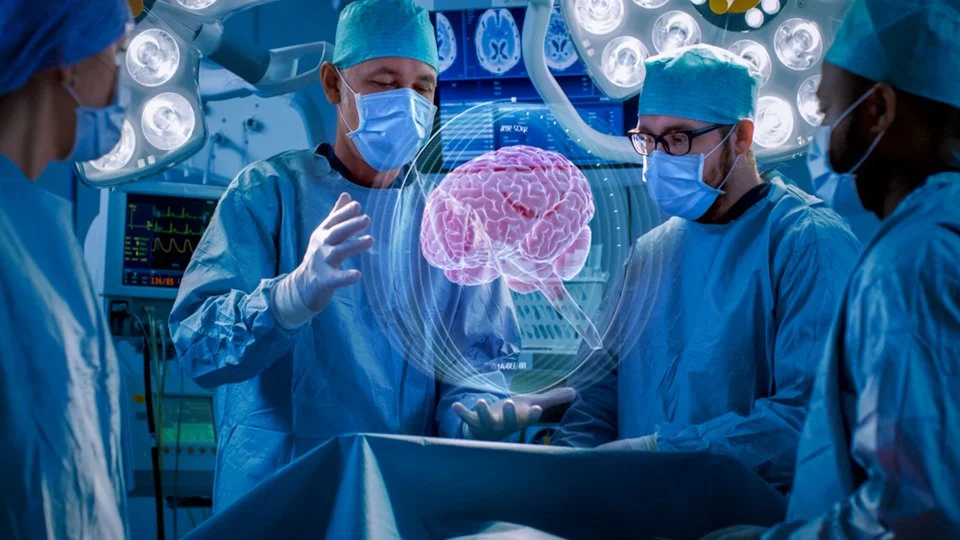
Neurosurgery is a medical specialty that diagnoses and treats various diseases, injuries, and disorders of the brain, spinal cord, and nervous system. This field requires complex and delicate surgical procedures and focuses on preserving and improving neurological function.

Why is it done?

Brain and nerve surgery procedures are used to treat a variety of neurological problems:

Application Areas

Brain and nerve surgery encompasses a wide range of diseases and conditions:

Surgery Process

Consultation: Before surgery, you will have a detailed consultation with your doctor to learn about your health condition and treatment options.

Preparation: Necessary tests and examinations will be performed before the surgery. Your doctor will provide you with detailed information about the surgical procedure and preparations will be completed.

Anesthesia: General anesthesia will be administered depending on the type of surgery.

Surgical Procedure: Your surgeon will perform the prescribed surgery. The duration of the surgery varies depending on the complexity of the procedure.

Recovery Process: After the surgery, you will be kept under observation in the hospital for a period of time. After discharge, it is important to follow the care and recovery process recommended by your doctor.

Results

Brain and nerve surgery interventions are of great importance in resolving neurological problems. It is possible to protect your neurological health with regular doctor check-ups and recommended lifestyle changes after surgery.

Risks and Complications

As with any surgical procedure, brain and nerve surgery carries certain risks. These risks may include infection, bleeding, complications related to anesthesia, loss of neurological function, and problems that may occur during the postoperative recovery process. Choosing an experienced and expert surgeon is important to minimize these risks.