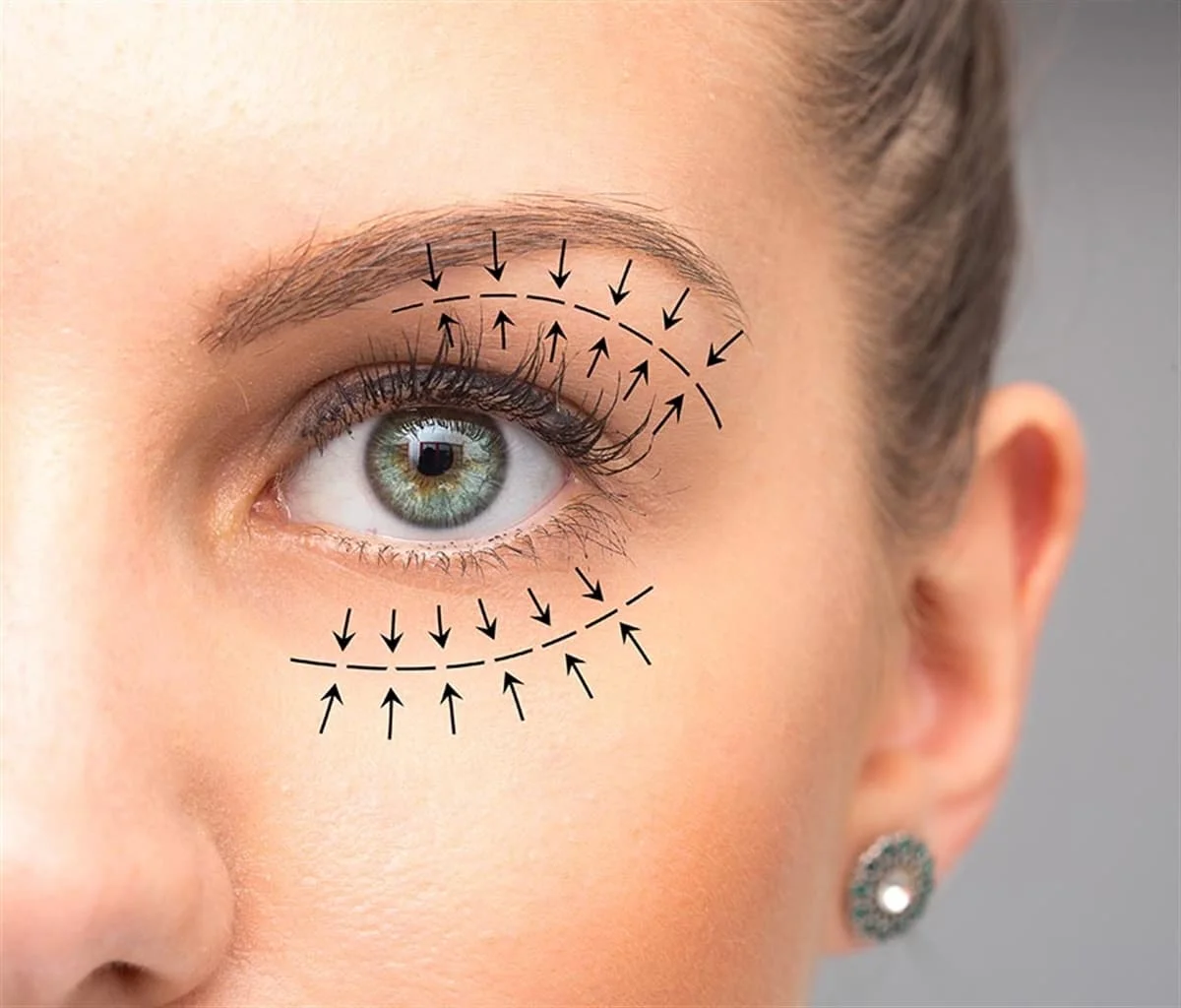
Assessment: During the initial consultation, the surgeon evaluates the patient’s eyelids and facial structure. A detailed discussion is held regarding the patient’s expectations and aesthetic goals.
Preparation: In the pre-operative preparation phase, the patient’s general health is assessed, and the surgery date is determined. It is recommended to pay attention to factors such as smoking and alcohol use before surgery.
Surgery: Eyelid surgery is generally performed under local anesthesia or sedation. The surgeon makes incisions along the natural crease of the upper eyelid and just below the lashes of the lower eyelid, removing excess skin and fatty tissue. The incisions are then carefully closed.
Recovery Process: The post-operative recovery process can vary from person to person. Swelling and bruising may occur in the first few days. Protecting the eyes and avoiding certain activities is important during the healing process. Full recovery usually takes several weeks.